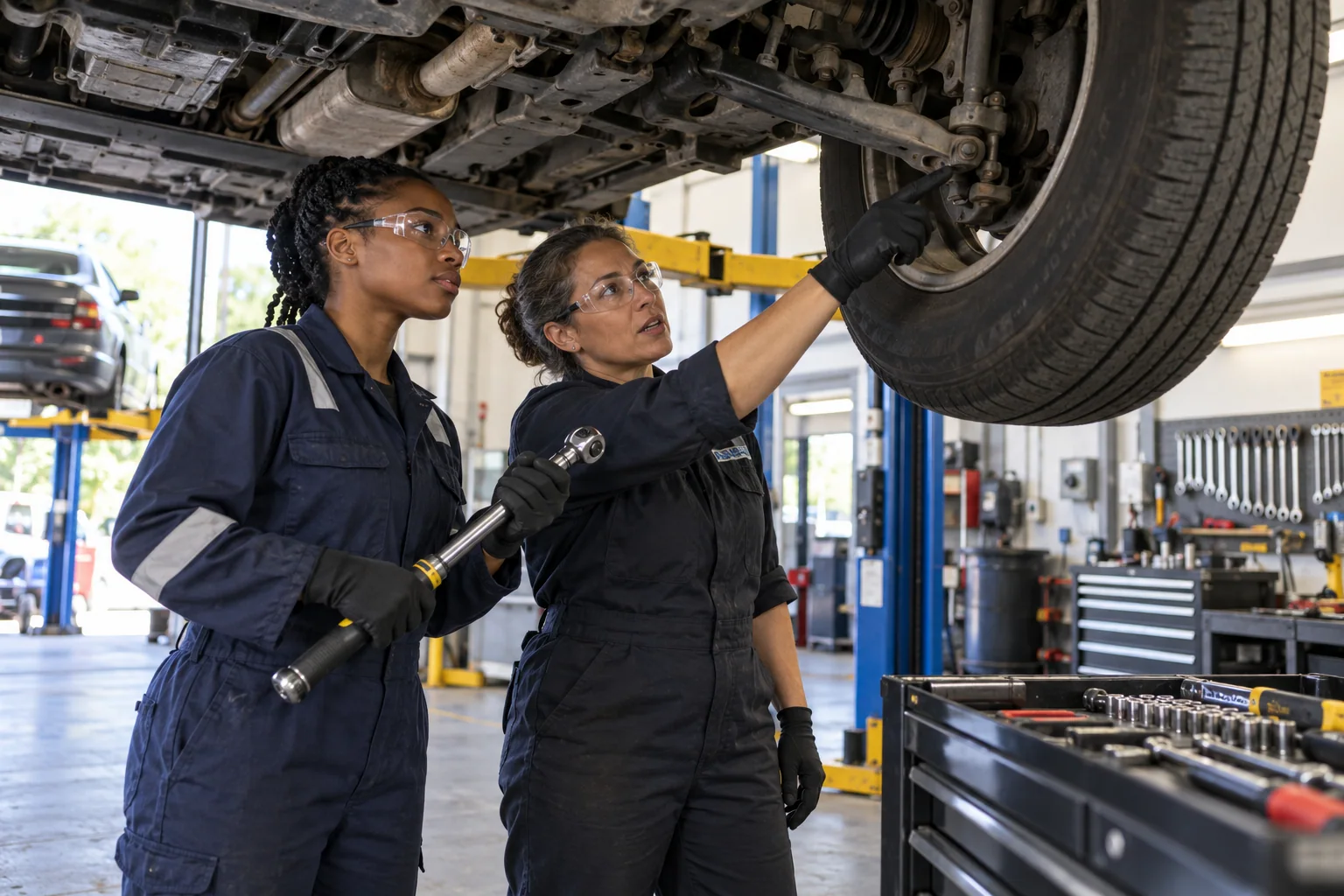
A strong apprenticeship start connects the role, a named supervisor, useful practice and safe boundaries. Plan progressive tasks and feedback before the learner arrives, then adjust the pathway to the apprenticeship standard and employer requirements.
On 19 October 2026, the UK government described a TechFirst AI Apprenticeship Pathway pilot in North West England. It combines AI and digital skills with workplace skills, then supports participants toward Level 3 digital apprenticeship opportunities; the government says the pilot has secured places with employers including JD Sports and H J Heinz. [1] This is a specific pilot, not proof that the model is already available everywhere or that every participant will have the same route. For employers and supervisors, it raises a practical question: what needs to be ready for an early-career apprentice to move from initial learning into supported work?
Treat the news as a pathway, not a placement guarantee
The TechFirst page says the pathway is being piloted in North West England, delivered by a regional partner, and designed for young people who may be at risk of leaving education without moving into work, training or further study. It describes preparation in AI, digital technologies and workplace skills before progression toward local employer apprenticeships. [1] Employers should check current eligibility, partner arrangements and apprenticeship requirements before advertising or promising a place.
The government’s wider Digital and Technologies Jobs Plan, published on 21 October, also emphasizes supervised opportunities, local collaboration and employer participation. [2] Together, these announcements make a timely case for good employer preparation: a placement needs meaningful work and support, not simply access to a course catalogue.
Prepare the workplace before the start date
Name the day-to-day supervisor and a backup contact. Agree the learner’s schedule, equipment, approved systems and how they will ask for help. Check any partner or apprenticeship requirements related to safeguarding, accessibility, workplace induction and record keeping. These obligations vary by programme and location; confirm the applicable guidance with the provider rather than relying on a generic checklist.
Choose a first task that is bounded, useful and safe to practise. Identify what a learner can observe, attempt with review and complete independently later. Ensure the manager can make time for brief check-ins. A supervisor who is accountable for a full operational workload may need a smaller learner cohort or additional support to provide consistent feedback.
Connect digital learning to the actual job
Write down the routine tasks, systems and decisions the apprentice will encounter. For each, list the prerequisite knowledge, the expected standard and the risks that require escalation. This helps distinguish an abstract course topic from work the learner needs to do.
If AI tools are part of the role, identify approved tools and use cases with the organization’s policy owner. Show how employees protect information, verify outputs and know when to ask a qualified colleague. Do not introduce a learner to an unapproved tool just to make a training exercise feel current. The official pilot describes AI and digital skills broadly; the employer is responsible for defining the local workflow and boundaries.
Build a progression from observation to practice
Use a simple progression: observe the task; explain the key steps; practise with a safe example; complete a real task with supervision; and review the result before increasing independence. Not every task needs five formal stages, but the learner should know what the next step is and who approves it.
For example, an apprentice working with an internal service desk might first observe how a request is categorized, then practise on sanitized scenarios, complete a low-risk request with review and finally handle an agreed class of requests independently. Adapt the sequence to the actual role, systems and apprenticeship standard. This example is illustrative, not a case study from the TechFirst pilot.
Teach workplace habits explicitly
New entrants may need help understanding how to communicate a delay, protect a customer’s information, record a decision and raise uncertainty. Do not assume these expectations are obvious. Demonstrate the behavior, explain why it matters and give the apprentice a low-risk opportunity to practise it.
Make feedback specific and timely. Describe what the learner did, what standard applies and what to try next. Invite the learner to reflect on what was difficult. Separate a knowledge gap from an access issue, unclear instruction or lack of opportunity. A learner who is not given a chance to practise cannot demonstrate transfer from training to work.
Use check-ins to guide support
Plan a short conversation after the first few days, then a regular review with the apprentice and supervisor. Ask what tasks felt clear, what was confusing and whether the learner could access the needed information and equipment. Review one work sample or scenario against the agreed criteria. Keep notes focused on development and follow the organization’s retention policy.
If several apprentices struggle with the same step, improve the instructions or supervisor briefing. If one apprentice needs more practice, agree a specific opportunity and review date. Avoid using a single early assessment as a definitive judgement about potential. Progress depends on the task, teaching and support as well as prior experience.
Keep training records connected to action
Track the learning assigned, completion, assessment outcome and agreed follow-up in a format that supports the employer’s programme. Distinguish required apprenticeship evidence from internal training records, and coordinate with the training provider so information is accurate and appropriately shared.
EvoBoards onboarding journeys, learning paths, assessments and progress reports can help employers organize assigned learning and review progress. [3] The platform complements workplace supervision and any apprenticeship provider’s required process; it does not replace either. Start with a clear role plan, a prepared supervisor and the next safe task the learner will practise.
Put this guide to work.
Bring your organization’s onboarding, learning and assessment activity into one workspace.
Plan employee onboarding ↗Compare plans ↗Common questions
Is the TechFirst AI Apprenticeship Pathway available to every UK employer?
The published page describes a pilot in North West England. Employers should check current regional arrangements, providers and eligibility before assuming a route or place is available to them.
What should a supervisor prepare before an apprentice starts?
Confirm the learner’s tasks, named supervisor, equipment and approved system access, first learning activities, support route and check-in schedule. Verify all requirements with the relevant provider and programme guidance.
Sources & further reading
Sources reviewed on 1 November 2026. Recommendations and examples are editorial guidance, not reported customer outcomes.